
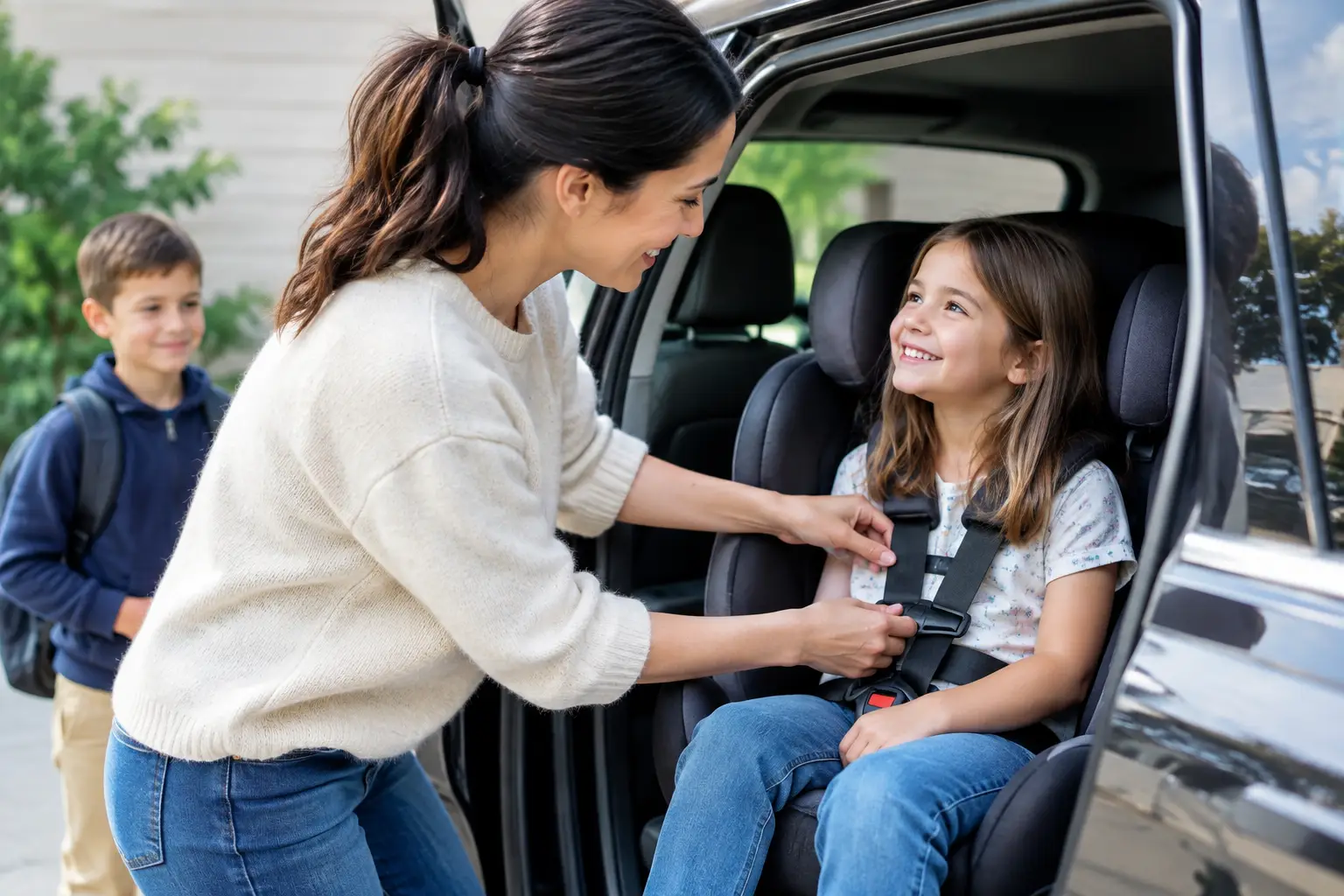
A long car journey can unravel quickly when a child is hungry, overtired or uncomfortable. Preparing children for car journeys is not about packing every possible distraction. It is about setting up the day so everyone knows what to expect, essential needs are close at hand, and small problems do not become stressful ones.
For families travelling to an airport, a hotel or a Scottish destination, a little advance planning protects the calm start that matters most. The best approach changes with your child’s age, the length of the journey and the time of day, but a few decisions made before departure make a substantial difference.
Start with the journey, not the packing list
Look at the route in practical terms. How long will you be in the vehicle, when will your child usually eat or nap, and where could you stop if needed? A journey that appears to take two hours on a map may need closer to three with a toilet stop, a nappy change or a stretch of legs.
If you have a choice, travel at a time that suits your child’s normal routine. An early departure may work well for children who sleep easily in the car, while others cope better after breakfast and a little movement. There is no universally perfect time. The sensible choice is usually the one that avoids rushing and gives you a margin for the unexpected.
Build in more time than you think you need, particularly for a flight, ferry connection or important appointment. Children notice adult stress quickly. Leaving room for a short delay makes it easier to respond patiently rather than press on when someone needs a break.
Make the car seat part of preparing children for car journeys
A correctly fitted, age-appropriate child car seat is the first priority. Check it before travel rather than on the driveway with bags already loaded. Make sure the harness sits correctly, bulky coats are removed, and any headrest or recline settings are appropriate for your child and the seat manufacturer’s guidance.
Comfort matters too. A child who is safely secured but too warm, cold or cramped is unlikely to settle. Dress them in soft layers that can be adjusted easily, and keep a light blanket available rather than relying on a heavy coat. In changeable Scottish weather, layers are more useful than one thick item of clothing.
For babies and younger children, avoid treating the car seat as a place for loose toys, snacks or large pillows. These can become awkward or unsafe when the vehicle is moving. Keep only what is needed within reach and secure bags elsewhere in the vehicle.
If you are using a pre-booked private hire service, give the operator the ages of your children and the number of suitable seats required when booking. Confirming this in advance avoids an unsuitable arrangement at collection time and allows the journey to begin promptly.
Pack one accessible family bag
The most useful items should not disappear into the boot beneath suitcases. Keep one small bag in the passenger area with supplies for the first part of the journey. It does not need to be elaborate, but it should be organised enough that you can find what you need without searching.
For most families, this means water, familiar snacks, wipes, tissues, spare clothes, any medication, a small rubbish bag and comfort items such as a favourite soft toy. For babies and toddlers, add nappies, changing supplies and a muslin. If your child is prone to travel sickness, include spare clothing and a sealable bag even if they have not been unwell recently.
Choose snacks with care. Dry, low-mess options are easier in a moving vehicle than chocolate, sugary drinks or foods with strong smells. A small snack before they become very hungry is usually better than waiting for a full meal stop. That said, avoid forcing food on children who feel queasy, particularly on winding roads.
Explain the plan in language they understand
Children cope better when the journey feels finite. Before setting off, explain where you are going, who will be there and what will happen first when you arrive. For younger children, use simple milestones: one programme, then a snack, then a stop. Older children may appreciate knowing the approximate journey time and having a say in what to bring.
This is also a good moment to set calm expectations. You might explain that everyone needs to stay buckled in while the car is moving, that the driver needs a quiet environment at junctions or in busy traffic, and that they can ask for water or a comfort break before they become upset.
Avoid promising an exact arrival time to a child who will watch the clock. Traffic, weather and roadworks can change a plan. It is better to say that you will make sensible stops and let them know when you are getting close.
Use entertainment in stages
Handing over every toy and screen at the start can leave you with few options later. Instead, keep a small rotation of activities and introduce them gradually. A familiar audiobook, playlist, sticker book or travel game can work well, depending on your child’s age.
Screens can be helpful on longer journeys, particularly when adults need a quieter period, but they are not always the best answer. Some children become travel sick when looking down at a device, and others become frustrated when connectivity drops. Download content before leaving and bring headphones if appropriate, while keeping the volume low enough that adults can still communicate.
Simple spoken games remain useful because they require no battery or signal. Spotting particular vehicles, taking turns with a story, or choosing songs can occupy several miles without adding clutter to the car. For children who tire easily, alternate active conversation with quiet time rather than expecting constant entertainment.
Plan breaks around need, not just distance
On a longer journey, a planned stop is often far easier than an emergency one. Young children usually benefit from getting out, using the toilet, having a drink and moving around before they become restless. Even ten minutes can reset the mood.
The trade-off is that frequent stops extend the overall travel time, so do not schedule them mechanically. A sleeping child may be best left undisturbed, while a toddler who has been awake and confined for an hour may need a break sooner. Keep an eye on cues rather than waiting for a complaint to become a meltdown.
At a service area or roadside stop, take a moment to check layers, seat harnesses and water bottles before setting off again. It is easier to prevent discomfort than to manage it at speed on a motorway.
Be ready for travel sickness and sudden changes
Travel sickness is not always predictable, especially if a child is tired, has eaten heavily or is travelling on unfamiliar roads. Encourage them to look out of the window rather than down at a book or screen if they begin to feel unwell. Fresh air and regular sips of water may help, but follow medical advice for any medication and test its effects before a major travel day where possible.
Keep your response matter-of-fact. Children can become more distressed if adults react with alarm. Pull over safely if needed, clean up, offer reassurance and allow a few minutes before continuing. A delay is inconvenient, but pushing on too quickly can make the rest of the journey harder.
Weather can also alter plans. Heavy rain, low winter light and icy conditions may slow travel across Scotland, so allow extra time and keep warm layers accessible. If conditions become poor, a calm, professional driver and a realistic schedule are worth more than trying to recover lost minutes.
Give adults permission to simplify
Parents often feel pressure to make a journey enjoyable every minute. That is not necessary. A peaceful, safe trip with a few ordinary moments of boredom is a good outcome. Keep plans flexible, meet the essentials first and let the rest be simple.
The journey begins well before the vehicle arrives. When children are comfortable, informed and properly prepared, they are more likely to arrive settled too - leaving the family ready to enjoy what comes next.
Ready to book your journey?
Private chauffeur transfers and Highland tours from Edinburgh, booked online in minutes.
Book Online Instantly